
Cities and COVID-19: Urban Responses to the Pandemic in Latin America
How Latin American Cities Responded to the Pandemic
The COVID-19 pandemic represented an unprecedented challenge for cities worldwide, but Latin American urban areas faced particularly acute difficulties due to pre-existing inequalities, informal economies, crowded informal settlements, and under-resourced healthcare systems. This analysis examines how cities across the region responded and what lasting lessons have emerged for urban planning.
Immediate urban responses
Latin American cities implemented a wide range of measures to combat the spread of the virus:
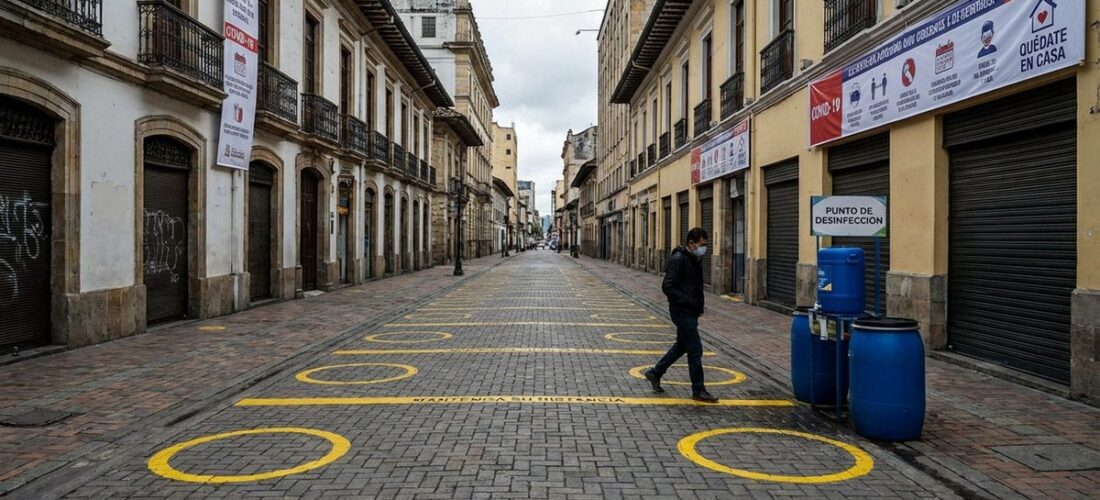
- Public space adaptations: Cities like Bogotá rapidly expanded temporary cycling infrastructure, adding over 80 km of emergency bike lanes to reduce crowding on public transport. Lima, Santiago, and Buenos Aires followed with similar initiatives.
- Market and commerce reorganization: Open-air markets were reorganized with spacing requirements, and many cities expanded street vending zones to allow safer outdoor commerce.
- Digital governance: Municipal governments accelerated digital service delivery, with cities like Medellín and Buenos Aires rapidly launching online platforms for permits, consultations, and social assistance distribution.
Challenges in informal settlements
The pandemic exposed the extreme vulnerability of residents in informal settlements, where social distancing was physically impossible, access to clean water for handwashing was limited, and many families depended on daily informal income that evaporated during lockdowns. Cities like Lima, where approximately 70% of the economy is informal, faced particularly severe social and economic impacts.
Transport system adaptations
Public transport systems across the region implemented new protocols including capacity restrictions, mandatory mask use, enhanced cleaning, and contactless payment systems. Many cities used the crisis as an opportunity to modernize fare collection technology and improve service planning through real-time passenger data.
Lessons learned for urban planning
The pandemic reinforced several key principles for sustainable urban development:
- Access to basic services is non-negotiable: Communities without reliable water, sanitation, and healthcare proved unable to implement even basic public health measures.
- Digital infrastructure is essential: Cities with strong digital platforms were better able to deliver services, communicate with residents, and coordinate emergency responses.
- Green and open spaces matter: Cities with more parks and public spaces were better able to maintain physical and mental wellbeing during extended lockdown periods.
- Resilient urban systems: The pandemic demonstrated the need for urban systems that can adapt quickly to unexpected shocks, reinforcing the case for flexible, multi-use urban design.
Long-term urban impacts
Several pandemic-era changes have become permanent features of Latin American cities, including expanded cycling infrastructure, more flexible approaches to public space use, increased digital service delivery, and greater attention to urban health and resilience in planning processes. These changes, born of necessity, have in many cases accelerated pre-existing trends toward more sustainable and equitable urban development.